



 Medically Reviewed By
Expert Fact Checked
This page was medically reviewed by Benjamin Wei on February 1, 2026. For information on our content creation and review process read our editorial guidelines. If you notice an error or have comments or questions on our content please contact us.


Mesothelioma
Mesothelioma is a cancer that forms in the thin linings of the belly, lungs and other organs. Caused by asbestos exposure, it is often diagnosed in older people who worked with asbestos products. Average life expectancy ranges from 18 to 31 months. But newer treatments may extend survival even further.
Free 2026 Mesothelioma Guide



Recognizing
Mesothelioma Symptoms
Patients begin to show signs of cancer around 10 to 50 years after their initial exposure to asbestos. Symptoms will differ by the type of mesothelioma, but these early symptoms are often mistaken for more common ailments, like the flu, pneumonia or lung cancer. Recognizing the signs and symptoms of mesothelioma early can increase treatment options and improve overall prognosis.
 Chest pain
 Fatigue
 Persistent cough
 Shortness of breath
 Weight Loss
-
Common Mesothelioma Symptoms
 Chest pain Fatigue Persistent cough Shortness of breath Weight Loss
How Is Mesothelioma Diagnosed?
Malignant mesothelioma is difficult to diagnose because of its long latency period and nonspecific symptoms. Doctors use a series of tests (imaging, biopsies) to diagnose the cancer and determine its stage. The stage and other diagnostic details will provide information about your prognosis – that is, how the disease is likely to progress and what your life expectancy may be.
Life Expectancy

Mesothelioma patients generally live between 18 and 31 months after diagnosis.
MoreSurvival Rate

About 70% of patients live 1 year. Nearly 25% live to the 3-year mark.
More


Stages of Pleural Mesothelioma

- Very little spreading of cancer cells (if any)
- Curative treatment options available
- Average survival of 21 months
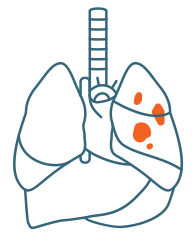
- Spreading limited to one side of the body
- Curative treatment options available
- Average survival of 19 months
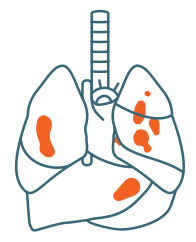
- Spreading to nearby structures and possibly lymph nodes on both sides of the body
- Fewer curative treatment options
- Average survival of 16 months
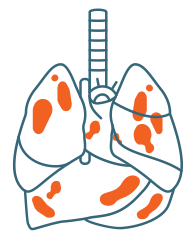
- Spreading to distant organs and structures
- Immunotherapy, chemo and palliative care available
- Average survival of 12 months
Types of Mesothelioma
Once diagnosed, your doctor can tell you what type of mesothelioma you have, including the cell type. There are four main types of mesothelioma based on the location in the body where tumors originate.

Mesothelioma
>80%
- The most common type
- Forms in the lining around the lungs
- About 2,500 new cases per year

Mesothelioma
10%
- Second most common type
- Develops in the lining of the belly
- About 500 new cases per year

Mesothelioma
<1%
- Among the most rare types
- Develops in the lining around the heart
- Less than 30 new cases per year

Mesothelioma
<1%
- Among the most rare types
- Develops in the lining around the testes
- Less than 30 new cases per year
Cell Type
Mesothelioma cancer is also categorized by the cell type in the tumors. Each cell type has different characteristics. These differences affect how a patient may respond to treatment and their life expectancy.
Send me a free guide.
Mail my free guide todayTreating Mesothelioma
Mesothelioma patients often receive two or more types of treatment. This combination – or multimodal approach – combines standard therapies. Plans can include chemotherapy, immunotherapy, surgery and more. Treatment goals may focus on killing tumors, reducing symptoms or both. Recent immunotherapy trials have successfully boosted survival and quality of life.
After your diagnosis is confirmed, it’s important to choose an experienced mesothelioma specialist. These doctors know which treatments are best in many different situations. They also stay informed on the latest advancements and clinical trials. This type of expertise helps them create custom treatment plans that prioritize your goals.
-
Find a Doctor Near You
Search our database of mesothelioma specialists and cancer centers to find treatment opportunities near you.
Conventional Treatments

Surgery, chemotherapy and immunotherapy are common mesothelioma treatments.
More
Emerging Treatments

Researchers have found new treatment types and combinations in clinical trials that show promise in treating mesothelioma.
More
Understanding Your Legal Rights
Because so many companies knowingly put employees at risk of asbestos exposure, mesothelioma patients and their loved ones have legal rights. Filing a claim can help cover treatment costs, recover lost wages, and make sure companies are held accountable. Talk to an attorney to learn about your compensation options.



Asbestos Is the Only Known Cause of Mesothelioma
Asbestos is a natural mineral once used in many products because of its durability and heat resistance. It was used most heavily in the United States from the 1930s to the 1970s, even though researchers confirmed the dangerous health risks of exposure in the 1920s. Despite the risks, asbestos is still not banned today, and it can still be found in old buildings and products.

Occupational Exposure

Studies show 125 million workers globally are exposed to asbestos on the job each year.
More
Mesothelioma & Veterans

Veterans of all military branches make up about one-third of all mesothelioma diagnoses.
More
Coping With Mesothelioma and Finding Support
As you learn about mesothelioma and move forward with treatment, it’s important to know you are never alone. Connecting with others in the community who can help you through the tough times.


Support Groups
Having the right support system can help overcome the trials that come with mesothelioma.

Advocate
Everyone can get involved in the fight to end mesothelioma and ban asbestos.

×